
Newsletter 2
Applying The PERMA Digital Well-being Framework
Accessibility Tools
Applying The PERMA Digital Well-being Framework


Keeping children safe online is something every parent, teacher, and school leader thinks about. But what does digital safety actually mean in practice? And is keeping kids safe online enough on its own?
Across Europe, more and more schools are asking these questions and initiatives like PERMA Digital are helping to shape the answers. Because digital safety, it turns out, is about much more than filters and screen time limits. It is about wellbeing, connection, and helping young people genuinely thrive in digital spaces.
A world that has already changed
For students aged 10 to 13, digital environments are no longer something extra. They are central to how young people learn, communicate, and build relationships. The COVID-19 pandemic accelerated a shift that was already underway, and there is no going back.
That shift brings real opportunities: greater access to information, new ways to collaborate, and more flexibility in how students learn. But it also brings challenges around online safety, emotional wellbeing, and unequal access to technology. Understanding how all of these things connect is what the research and this project are all about.
Four things that shape how students experience the digital world
Research points to four dimensions that are deeply connected when it comes to how young people engage with digital learning:
Can students evaluate what they find online? Can they use digital tools with confidence? Literacy is the foundation. Without it, students are more vulnerable and less able to learn independently.
Online platforms open up new spaces for connection and collaboration. When those spaces are positive, they strengthen students’ sense of belonging. When they are not, when cyberbullying or exclusion creeps in, the impact on wellbeing can be significant.
How does technology make students feel? Managing screen time, handling online stress, and developing healthy digital habits all shape how students show up in the classroom and in their lives more broadly.
The everyday routines students build around technology, how they manage their time, how intentionally they engage, have a real effect on how well they learn and how connected they feel.
These four things do not exist in isolation. They shape each other. And that is exactly why addressing digital safety as a standalone issue is not enough.
Safety is not an extra. It is the foundation.

When digital spaces feel unsafe, everything else suffers. Students who experience online stress, exclusion, or harm do not just feel bad in the moment. Their academic engagement, concentration, and sense of belonging at school all take a hit.
This is why digital safety needs to go beyond technical protections. It needs to include education, open conversation, and a genuine culture of responsible digital citizenship, built across the whole school and extended into the home.
What the pandemic taught us
The shift to online learning during COVID-19 exposed some uncomfortable truths. Not all students had equal access to devices or reliable internet. Not all teachers felt equipped to support digital wellbeing alongside academic learning. And schools quickly discovered that digital education without the right foundations could widen, rather than close, existing gaps.
Moving forward, the research is clear on what a stronger approach looks like:
Where PERMA Digital comes in
One of the challenges the research keeps highlighting is that digital safety, literacy, wellbeing, and habits tend to get studied and addressed separately. PERMA Digital exists to bring them together.
At the heart of the project is the PERMA model of positive psychology: Positive Emotion, Engagement, Relationships, Meaning, and Accomplishment, combined with the EU competence frameworks DigComp and LifeComp. Together, they create a practical roadmap for building genuinely healthy digital lives. As we have explored in previous posts, this means everything from simple classroom routines and family conversations to a whole school approach to digital culture.
And the project is now moving from framework to action. Practical training modules for teachers are in development, alongside a collection of resources designed to help families support their children at home. Because digital wellbeing does not stop at the school gate.
Looking ahead
The goal is not perfection. It is progress, building environments where every learner can engage with the digital world safely, confidently, and with a real sense of purpose. That takes collaboration, consistency, and a commitment to putting people before platforms.
PERMA Digital is proud to be part of that work. And there is plenty more to come.
Explore PERMA Digital’s research, framework, and resources at perma-digital.eu/results.

Digital communication is now a daily part of students’ social life. Students connect through group chats, social media, messaging apps, and online gaming spaces. These environments shape friendships, identity, and peer belonging.
However, many peer conflicts at school begin online and then spill into the classroom. What starts as a short comment, a misunderstood message, or a screenshot can quickly become exclusion, humiliation, or bullying. Research consistently links negative online interactions, including cyberbullying and social exclusion, with higher anxiety, loneliness, emotional distress, and lower school belonging. This makes digital empathy a key protective skill for children and adolescents.
Digital wellbeing cannot be addressed only through safety rules or restrictions. Students need skills that help them communicate respectfully, manage emotions, and respond responsibly when harm occurs.
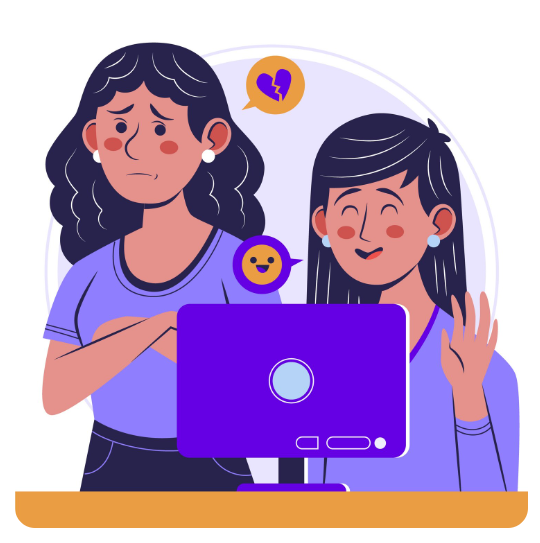
Digital empathy refers to the ability to recognise the emotional impact of online behaviour, regulate impulsive reactions, and communicate respectfully even when emotions are high.
It includes skills such as:
Digital empathy is teachable. Developmental research shows that empathy develops through modelling, repeated practice, and structured opportunities to reflect on others’ feelings and perspectives. This is why schools play a crucial role. Students need adults to teach these skills clearly and consistently, especially because online environments reward speed, reaction, and attention.
Online communication increases the risk of conflict for several psychological reasons.
First, students cannot rely on facial expressions, tone of voice, or immediate feedback. A message such as “Ok.” or “Sure.” can be read as neutral, angry, dismissive, or sarcastic depending on the reader’s emotional state.
Second, digital spaces create emotional intensity. Messages can be shared instantly, seen by many people, and stored permanently. This makes embarrassment and shame more likely, especially in adolescence, where peer evaluation is strongly linked to self-esteem.
Third, impulsive responding is common. Research on adolescent development shows that self-regulation is still developing. When students feel threatened or excluded online, they often respond quickly without reflecting. This can escalate conflict in seconds.
For these reasons, digital empathy and respectful communication should be treated as part of wellbeing education, not as an optional “extra.”
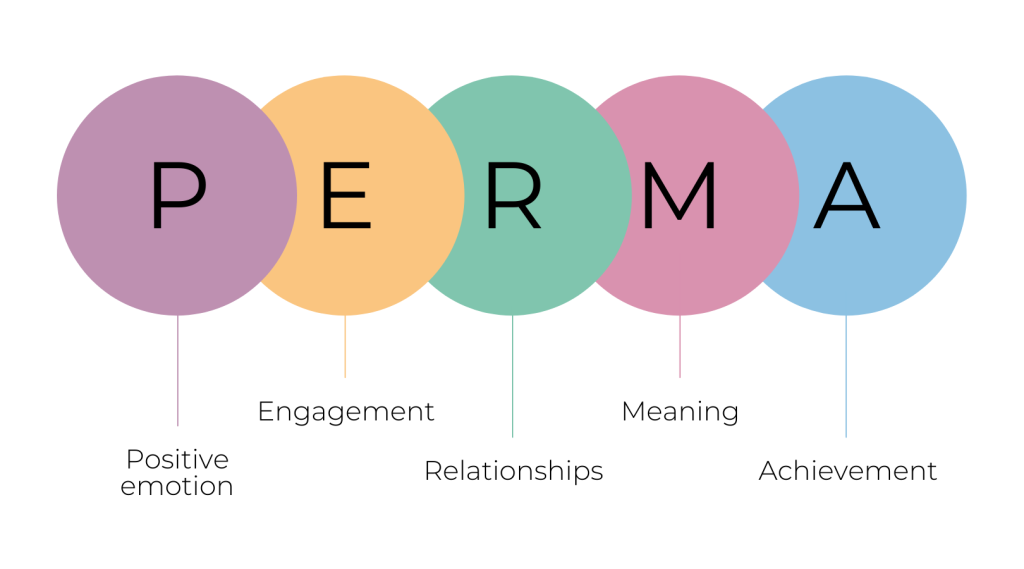
PERMA-Digital uses the PERMA model from Positive Psychology as a practical structure for digital wellbeing. PERMA is useful because it does not treat online behaviour only as a discipline issue. Instead, it connects digital experiences with emotional health, relationships, values, and competence.
In the context of digital empathy, PERMA supports five skill areas:
Below are practical ways schools can use PERMA as a tool to teach digital empathy and respectful communication.
Online conflict often escalates because students respond while emotionally activated. PERMA-Digital supports students in learning emotional regulation in digital contexts.
Practical strategy: The 2-minute pause rule
Teach students a simple routine:
If a message makes you feel angry, embarrassed, or excluded, wait 2 minutes before replying.
Then ask them to do one of the following:
This reduces impulsive escalation and supports emotional control. It also teaches a realistic self-regulation skill that students can apply immediately.
Students often communicate online automatically, without thinking. Engagement in PERMA is not about “being busy.” It is about attention and intentionality.
Practical strategy: The tone check activity (5 minutes)
Show 3 short messages:
Ask students:
Students quickly realise that online tone is often guessed. This activity helps them understand why misunderstandings are common and why respectful communication requires clarity.
A simple follow-up rule can be: If your message is important, write one extra sentence to reduce misunderstanding.
Relationships are the strongest predictor of school belonging and emotional safety. Online harm directly damages peer relationships and classroom climate.
Practical strategy: Repair messages (high impact, low time)
Many students do not know how to repair harm after they make a mistake. They often defend themselves, avoid the person, or escalate.
Introduce three repair messages students can use:
These short scripts support accountability and reduce repeated conflict. They also model emotional maturity, which is a core part of empathy development.
Practical extension:
Ask students to role-play a short online conflict and practise using one repair message.
Meaning connects behaviour to values and identity. This is essential in digital spaces, where students often feel pressure to perform, impress, or gain approval.
Practical strategy: Digital identity reflection (10 minutes)
Ask students: “What kind of person do you want to be online?”
Students choose two values such as:
Then they write one example of what each value looks like in a group chat.
Example:
Respectful: “I don’t make jokes about someone’s appearance.”
Supportive: “If someone is being targeted, I message them privately.”
This activity strengthens moral reasoning and helps students connect online behaviour with self-respect.
Accomplishment is not about perfection. It is about progress. This matters because digital behaviour change is difficult, especially when peer pressure is strong.
Practical strategy: Weekly micro-goals
Set one weekly micro-goal as a class. Keep it simple and measurable.
Examples:
Track progress using a short reflection at the end of the week:
This builds a sense of competence and reinforces positive norms.
When schools teach digital empathy consistently, several outcomes tend to improve:
Digital empathy also strengthens wider wellbeing outcomes because it supports relationships, emotional security, and social identity. These factors are strongly linked with student engagement and academic functioning.
Digital empathy is not a “soft topic.” It is prevention. It protects students from harm, strengthens relationships, and reduces the emotional and social stress that often drives bullying and exclusion.
PERMA-Digital provides a structured, evidence-based, and practical way for schools to teach respectful communication in digital life. It does not require long lessons or complex programmes. It requires clear skills, repeated practice, and consistent school norms.
In a world where students’ social lives increasingly happen through screens, teaching digital empathy is no longer optional. It is a core part of student wellbeing.

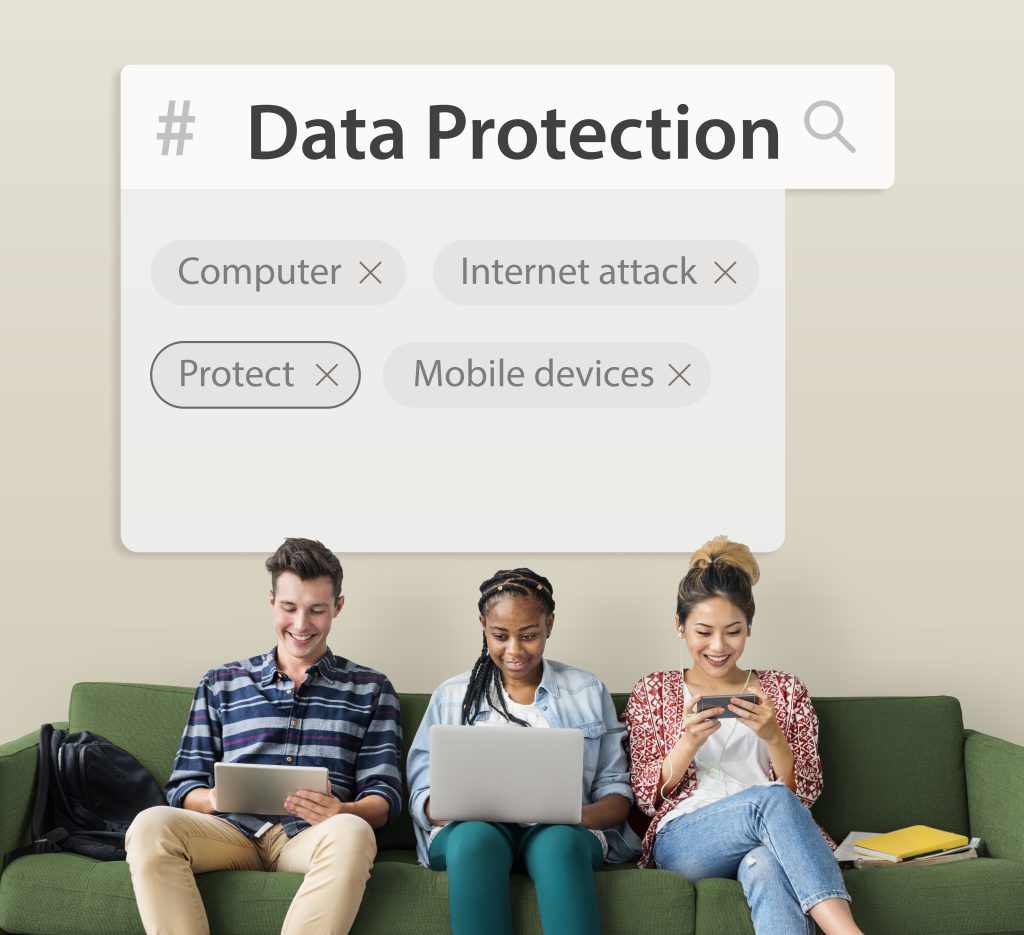
As 28 January, Data Protection Day, approaches, attention turns to how personal data are handled in digital learning environments. Digital tools are now part of everyday school life. Children use online platforms to learn, communicate, and collaborate. At the same time, these environments generate personal information that requires careful handling.
Data protection in education is not a purely technical issue. It is closely connected to children’s safety, trust, and overall wellbeing.
Educational platforms support teaching and learning in many positive ways. They offer access to resources, encourage participation, and help teachers respond to students’ needs. However, they also record user activity, learning progress, and digital interactions.
When this information is not managed responsibly, children may be exposed to risks, including loss of privacy or misuse of data. For this reason, schools and families need clear guidance and practical strategies to ensure that digital learning environments remain safe and respectful of children’s rights.
PERMA Digital approaches data protection as part of a broader understanding of digital wellbeing. The project promotes a whole-school perspective that brings together educators, students, families, and school leadership.
Through its framework and resources, PERMA Digital supports schools to:
This approach recognises that children’s wellbeing and digital safety are closely linked. When students feel protected and respected online, they are more able to engage, learn, and participate confidently.
Practical guidance for families and schools
Helping children protect their personal data starts with everyday conversations and simple habits. Both parents and educators play a key role.
Some practical steps include:
PERMA Digital places strong emphasis on empowering educators and families. Teachers are supported in making informed decisions about digital tools, while families are encouraged to understand how children interact with technology both in and out of school.
The project’s results include research findings, practical frameworks, and educational resources that help schools establish consistent, responsible digital practices. These materials aim to strengthen trust between schools, families, and learners.
Protecting children’s personal data requires collaboration. Schools, parents, policymakers, and developers all play a role. Data protection builds trust and supports positive learning experiences. It ensures that technology serves education without compromising children’s rights or well-being.
On Data Protection Day, PERMA Digital highlights the importance of placing children at the centre of digital education. Safe digital environments are not only about compliance. They are about care, responsibility, and respect.
👉 You can explore PERMA Digital’s research, framework, and educational resources here:
https://perma-digital.eu/results/

We are pleased to share that the Master Trainer Trainings have officially begun in partner countries.
Selected trainers are now being prepared to deliver the project’s training programme to teachers consistently and with high quality. During this phase, Master Trainers become familiar with the project themes, training content, and pedagogical approach, ensuring a shared understanding among all partners.
The Master Trainer Trainings are essential because they strengthen readiness for the next stages of implementation. By building trainers’ confidence and clarity, the project ensures that future trainings will be well-structured, engaging, and fully aligned with the project’s objectives.
This phase also supports continuous improvement and helps ensure that the final training resources address educators’ real needs in practice. Learn more about our project at https://perma-digital.eu/.
More updates will follow as the project continues.

As digital tools continue to shape how students learn, supporting children’s digital well-being has become an essential part of modern education. The PERMA-Digital project aims to help teachers create learning environments where students feel emotionally supported, engaged, connected, and confident when using technology.
Digital well-being in schools is not just about managing screen time- it is about helping students understand how digital tools affect their emotions, focus, relationships, and learning. When teachers introduce small, intentional practices into everyday lessons, students begin to build healthier, more mindful habits that follow them beyond the classroom.
This autumn, we have been developing a set of age-appropriate classroom strategies based on the PERMA model- Positive Emotion, Engagement, Relationships, Meaning, and Accomplishment. These strategies are designed to be simple, flexible, and easy to integrate into any subject, so teachers can support digital well-being without needing new platforms or extensive training.
One example of a simple strategy is the “Emoji Check-In”, which helps students reflect on how digital tasks make them feel:

Emoji Check-In (1–2 minutes)
This small routine encourages emotional awareness, normalises conversation about how digital tools affect us, and helps students practise self-regulation in a supportive environment. By incorporating simple practices like this, teachers can help students build the skills they need to navigate the digital world with confidence and balance. Over time, students learn that technology can support creativity, collaboration, and meaningful learning- when used intentionally.
The PERMA-Digital project will continue to develop resources and practical guides to help schools strengthen students’ digital well-being in everyday classroom life. We look forward to sharing more examples and tools in the coming months.
Learn more about our work at https://perma-digital.eu/resources/.

In today’s digital world, technology is an integral part of families’ and children’s lives. It’s not just about screen time; it’s about how they use it. We are creating practical resources to help families support children’s digital well-being and foster healthy, balanced technology use at home. For example, “Meaningful use of technology” means helping kids engage with digital tools in ways that support their learning, creativity, well-being, and personal growth.

When kids use technology thoughtfully, they learn balance and self-awareness. They notice how their digital habits affect their mood, focus, and well-being. Kids who use tech purposefully are more likely to be curious, creative, and confident. They can express themselves, connect with others, and even create content that reflects their values and interests. Discussing what is important and what technology brings a certain meaning / fun interest to our lives makes families connect better.
Ages 10–12:
Sit down with your child and ask about their favorite app, game, or online activity. Try questions like:
Ages 12–14:
Have a family “favorite video or creator” time. Everyone shares one video or creator they love—parents included! Ask:
Having these conversations with kids within families makes them all share and think about why they use technology and how it fits into their lives in a meaningful, positive way. It also allows them to learn more about each other, what is important to them at the present moment and how they feel about certain things.
By fostering self-awareness and intentional engagement with technology, parents can help children grow into balanced, purposeful digital citizens who thrive both online and offline. The PERMA-Digital project is an excellent resource for families looking to support their children’s digital well-being. This initiative focuses on integrating the PERMA model—Positive Emotion, Engagement, Relationships, Meaning, and Accomplishment—into digital education. It offers practical guides, tips, and examples to help parents and caregivers support their children’s balanced and healthy use of digital technology at home. Learn more at PERMA-Digital.


Digital well-being in education is more than just online safety. It’s about creating learning environments that are emotionally supportive, engaging, and empowering. But what does digital well-being mean from the perspective of those who design and deliver these technologies? In a recent focus group technology providers, including web developers, designers, and regional education managers, shared how thoughtful design and collaboration can make digital tools truly beneficial for students and teachers.
One clear message emerged: design matters. Strong relationships between educators and developers were seen as key to creating tools that truly meet classroom needs. Educators ensure relevance, while developers focus on accessibility, clarity, and features that support healthy digital habits. When platforms are smooth and intuitive, they reduce stress and help students stay focused. Also, the flexibility of digital tools and features like timers, mindfulness prompts and interactive elements were seen supporting healthy digital habits. Tech should support not only academic goals but also emotional growth, ethical digital behavior, and AI literacy, helping students navigate the digital world responsibly.
Beyond the platforms themselves, providers stressed the need for systemic support. Digital well-being must be embedded in curricula, backed by strategic policies, and supported by adequate infrastructure. Importantly, they called for a shift from simply providing hardware to building capacity by empowering educators through hands-on training, ongoing support, and incentives for participation.
Ultimately, digital well-being is a shared responsibility. It requires systemic support, thoughtful design, and empowered educators and students. With the right tools and training, digital environments can become spaces where learning and well-being go hand in hand.

Meet the PERMA Project


A comparative analysis of Cyprus, Finland, Greece, and Ireland reveals that while digital well-being is increasingly prioritised across EU education systems, its integration remains uneven. All four countries recognise digital well-being as a vital part of digital citizenship and media literacy, and they align their policies with broader EU strategies. Families and communities are also seen as key partners in fostering healthy digital habits. However, significant differences exist in how systematically each country defines, embeds, and assesses digital well-being in education.
When assessed through the PERMA framework, most countries perform well in promoting engagement and relationships, particularly through online safety initiatives and active digital learning. Yet, gaps remain in cultivating positive digital experiences, meaning-making, and accomplishment tracking. For example, Cyprus lacks structured approaches to relationships and meaning, Finland struggles with balancing autonomy and digital overload, Greece focuses heavily on technical skills at the expense of emotional well-being, and Ireland, though more advanced, still needs stronger measures for accomplishment and meaning.
To address these challenges, the report recommends clear national frameworks explicitly defining digital well-being, enhanced teacher training on digital ethics and emotional literacy, and the introduction of assessment tools to monitor progress. Whole-school strategies and cross-disciplinary collaboration are encouraged, alongside stronger family and community engagement.