Do the partner countries include digital well-being in their educational curriculum?
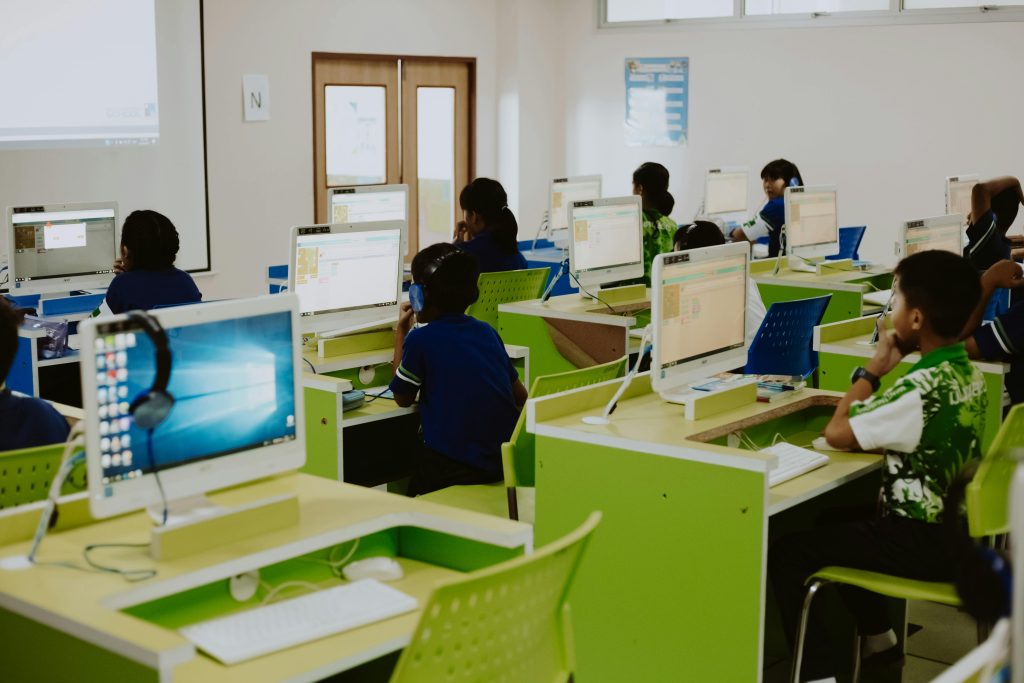
A comparative analysis of Cyprus, Finland, Greece, and Ireland reveals that while digital well-being is increasingly prioritised across EU education systems, its integration remains uneven. All four countries recognise digital well-being as a vital part of digital citizenship and media literacy, and they align their policies with broader EU strategies. Families and communities are also seen as key partners in fostering healthy digital habits. However, significant differences exist in how systematically each country defines, embeds, and assesses digital well-being in education.
When assessed through the PERMA framework, most countries perform well in promoting engagement and relationships, particularly through online safety initiatives and active digital learning. Yet, gaps remain in cultivating positive digital experiences, meaning-making, and accomplishment tracking. For example, Cyprus lacks structured approaches to relationships and meaning, Finland struggles with balancing autonomy and digital overload, Greece focuses heavily on technical skills at the expense of emotional well-being, and Ireland, though more advanced, still needs stronger measures for accomplishment and meaning.
To address these challenges, the report recommends clear national frameworks explicitly defining digital well-being, enhanced teacher training on digital ethics and emotional literacy, and the introduction of assessment tools to monitor progress. Whole-school strategies and cross-disciplinary collaboration are encouraged, alongside stronger family and community engagement.