Digital Empathy and Respectful Communication: A Practical PERMA-Digital Approach
Digital communication is now a daily part of students’ social life. Students connect through group chats, social media, messaging apps, and online gaming spaces. These environments shape friendships, identity, and peer belonging.
However, many peer conflicts at school begin online and then spill into the classroom. What starts as a short comment, a misunderstood message, or a screenshot can quickly become exclusion, humiliation, or bullying. Research consistently links negative online interactions, including cyberbullying and social exclusion, with higher anxiety, loneliness, emotional distress, and lower school belonging. This makes digital empathy a key protective skill for children and adolescents.
Digital wellbeing cannot be addressed only through safety rules or restrictions. Students need skills that help them communicate respectfully, manage emotions, and respond responsibly when harm occurs.
What is digital empathy?
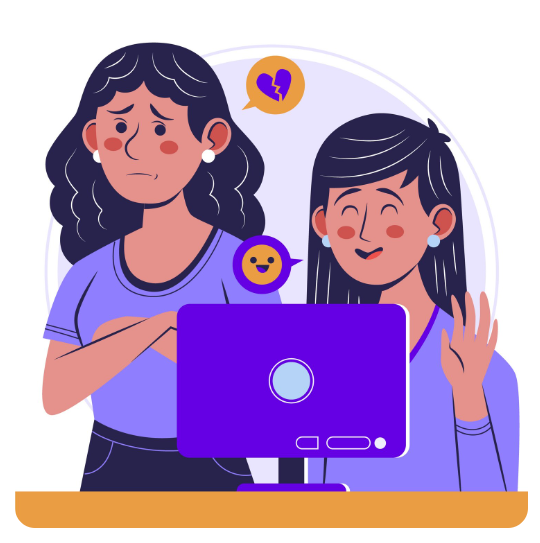
Digital empathy refers to the ability to recognise the emotional impact of online behaviour, regulate impulsive reactions, and communicate respectfully even when emotions are high.
It includes skills such as:
- understanding that online messages often lack tone and context
- noticing when humour becomes harmful
- pausing before reacting when angry or embarrassed
- showing care and support in online interactions
- repairing harm after a mistake
- recognising when silence supports harm (bystander behaviour)
Digital empathy is teachable. Developmental research shows that empathy develops through modelling, repeated practice, and structured opportunities to reflect on others’ feelings and perspectives. This is why schools play a crucial role. Students need adults to teach these skills clearly and consistently, especially because online environments reward speed, reaction, and attention.
Why respectful communication online is harder
Online communication increases the risk of conflict for several psychological reasons.
First, students cannot rely on facial expressions, tone of voice, or immediate feedback. A message such as “Ok.” or “Sure.” can be read as neutral, angry, dismissive, or sarcastic depending on the reader’s emotional state.
Second, digital spaces create emotional intensity. Messages can be shared instantly, seen by many people, and stored permanently. This makes embarrassment and shame more likely, especially in adolescence, where peer evaluation is strongly linked to self-esteem.
Third, impulsive responding is common. Research on adolescent development shows that self-regulation is still developing. When students feel threatened or excluded online, they often respond quickly without reflecting. This can escalate conflict in seconds.
For these reasons, digital empathy and respectful communication should be treated as part of wellbeing education, not as an optional “extra.”
PERMA-Digital as a tool for strengthening digital empathy
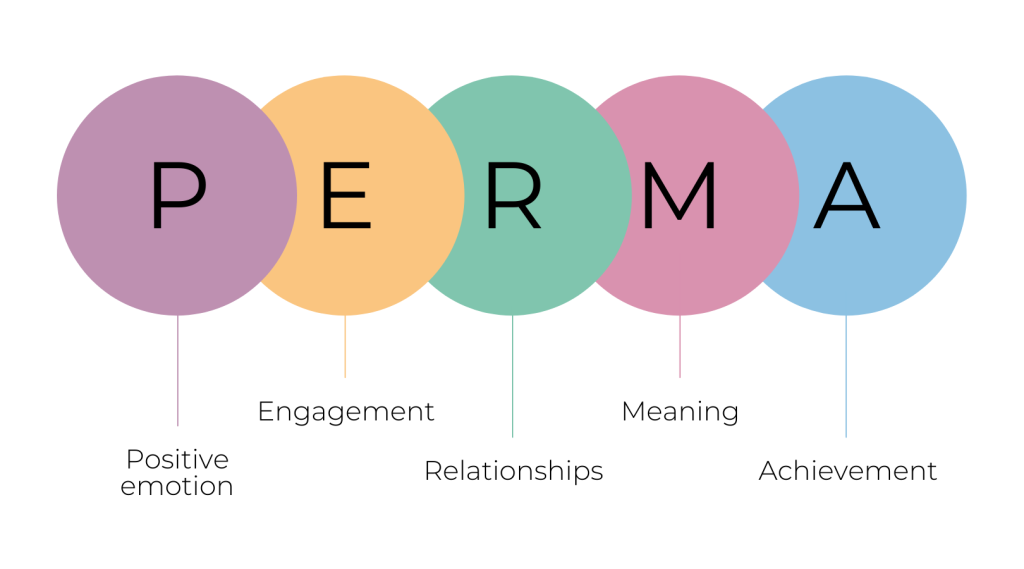
PERMA-Digital uses the PERMA model from Positive Psychology as a practical structure for digital wellbeing. PERMA is useful because it does not treat online behaviour only as a discipline issue. Instead, it connects digital experiences with emotional health, relationships, values, and competence.
In the context of digital empathy, PERMA supports five skill areas:
- emotional awareness and regulation
- intentional communication
- relationship repair and peer support
- identity and values in digital spaces
- realistic progress and behavioural change
Below are practical ways schools can use PERMA as a tool to teach digital empathy and respectful communication.
Using PERMA as a tool for digital empathy (practical classroom actions)
P: Positive Emotion
Online conflict often escalates because students respond while emotionally activated. PERMA-Digital supports students in learning emotional regulation in digital contexts.
Practical strategy: The 2-minute pause rule
Teach students a simple routine:
If a message makes you feel angry, embarrassed, or excluded, wait 2 minutes before replying.
Then ask them to do one of the following:
- take 3 deep breaths
- step away from the screen
- reread the message in a neutral tone
- ask: “Is there another explanation?”
This reduces impulsive escalation and supports emotional control. It also teaches a realistic self-regulation skill that students can apply immediately.
E: Engagement
Students often communicate online automatically, without thinking. Engagement in PERMA is not about “being busy.” It is about attention and intentionality.
Practical strategy: The tone check activity (5 minutes)
Show 3 short messages:
- “Ok.”
- “Sure.”
- “Whatever.”
Ask students:
- How many meanings can this message have?
- What emotion might the sender have?
- What emotion might the receiver feel?
Students quickly realise that online tone is often guessed. This activity helps them understand why misunderstandings are common and why respectful communication requires clarity.
A simple follow-up rule can be: If your message is important, write one extra sentence to reduce misunderstanding.
R: Relationships
Relationships are the strongest predictor of school belonging and emotional safety. Online harm directly damages peer relationships and classroom climate.
Practical strategy: Repair messages (high impact, low time)
Many students do not know how to repair harm after they make a mistake. They often defend themselves, avoid the person, or escalate.
Introduce three repair messages students can use:
- “Sorry, that came out wrong.”
- “I understand why that upset you.”
- “Can we restart?”
These short scripts support accountability and reduce repeated conflict. They also model emotional maturity, which is a core part of empathy development.
Practical extension:
Ask students to role-play a short online conflict and practise using one repair message.
M: Meaning
Meaning connects behaviour to values and identity. This is essential in digital spaces, where students often feel pressure to perform, impress, or gain approval.
Practical strategy: Digital identity reflection (10 minutes)
Ask students: “What kind of person do you want to be online?”
Students choose two values such as:
- respectful
- fair
- supportive
- confident
- kind
- responsible
Then they write one example of what each value looks like in a group chat.
Example:
Respectful: “I don’t make jokes about someone’s appearance.”
Supportive: “If someone is being targeted, I message them privately.”
This activity strengthens moral reasoning and helps students connect online behaviour with self-respect.
A: Accomplishment
Accomplishment is not about perfection. It is about progress. This matters because digital behaviour change is difficult, especially when peer pressure is strong.
Practical strategy: Weekly micro-goals
Set one weekly micro-goal as a class. Keep it simple and measurable.
Examples:
- “No screenshots shared to embarrass others.”
- “One supportive message per week.”
- “No exclusion in class group chats.”
- “If you disagree, respond without insults.”
Track progress using a short reflection at the end of the week:
- What went well?
- What was difficult?
- What will we try next week?
This builds a sense of competence and reinforces positive norms.
What schools gain when digital empathy improves
When schools teach digital empathy consistently, several outcomes tend to improve:
- fewer online conflicts that continue into the classroom
- reduced peer humiliation and exclusion
- stronger peer support and healthier friendships
- improved classroom climate and student belonging
- increased student self-regulation and emotional control
- a clearer school culture around respect and safety
Digital empathy also strengthens wider wellbeing outcomes because it supports relationships, emotional security, and social identity. These factors are strongly linked with student engagement and academic functioning.
Digital empathy is not a “soft topic.” It is prevention. It protects students from harm, strengthens relationships, and reduces the emotional and social stress that often drives bullying and exclusion.
PERMA-Digital provides a structured, evidence-based, and practical way for schools to teach respectful communication in digital life. It does not require long lessons or complex programmes. It requires clear skills, repeated practice, and consistent school norms.
In a world where students’ social lives increasingly happen through screens, teaching digital empathy is no longer optional. It is a core part of student wellbeing.